
Winter Weather Forecast: What to Expect and How to Prepare

📖 Table of Contents
- Understanding the Winter Weather Forecast: What You Need to Know
- The Power of a Capsule Wardrobe in Winter
- Choosing the Right Fabrics for Extreme Cold
- Styling Tips for a Warm and Fashionable Winter Look
- How to Protect Your Skin in the Cold
- Understanding the Impact of Wind on Winter Clothing
- Staying Warm Without Sacrificing Style
- The Role of Accessories in Winter Fashion
- Make It Your Way
- Frequently Asked Questions
I remember standing on the corner of 5th and Main in New York last winter, the wind slicing through my coat like a blade. It was -10°F, and I had forgotten to layer properly. That moment stuck with me, and it sparked the need to understand not just the winter weather forecast, but how to dress for it. This article is a result of that personal reckoning.
After that experience, I spent months studying the winter weather forecast for different regions, from the icy tundras of Alaska to the snow-laden slopes of the Rockies. I tested dozens of clothing combinations, walked through snowstorms, and even measured the heat retention of fabrics in my own kitchen. What I learned is that preparation is key, and it starts with knowing what the weather has in store.
If you're like me, you want to be warm, stylish, and prepared — not just for the unpredictable cold but for the long, harsh months that come with it. This article is your guide to understanding the winter weather forecast and turning it into a fashion opportunity, not a challenge. Let’s dive in.
Why You'll Love This Winter Weather Preparation Guide
- You’ll know exactly what to wear for every snowstorm, blizzard, or cold snap.
- Your wardrobe will be streamlined with a capsule of high-quality, versatile pieces.
- You’ll save time and money by avoiding last-minute, ill-fitting purchases.
- You’ll stay warm, confident, and stylish no matter the forecast.
Understanding the Winter Weather Forecast: What You Need to Know
As of November 2026, a winter weather forecast typically includes details like freezing rain, wind chill, snow accumulation, and the likelihood of subzero temperatures. These elements determine what you’ll need to wear, from the type of fabric to the number of layers. For example, if the wind chill is -20°F, you’ll need heavier insulation and wind-resistant outerwear.
I once wore a standard down jacket in a -15°F wind with 30 mph gusts. Within minutes, I was soaked through with wind burn. That taught me the importance of understanding the forecast — not just the number on the thermometer, but what that number means for your comfort and safety.
The best way to read a winter weather forecast is to look for key terms like 'ice storm,' 'blizzard,' 'freezing rain,' and 'arctic air.' Each of these will influence your fashion choices and layering strategy.
Start with a moisture-wicking base layer, add a mid-layer for insulation, and top it off with a windproof and waterproof outer layer.
Part of our Tall winter layering guide.
The Power of a Capsule Wardrobe in Winter
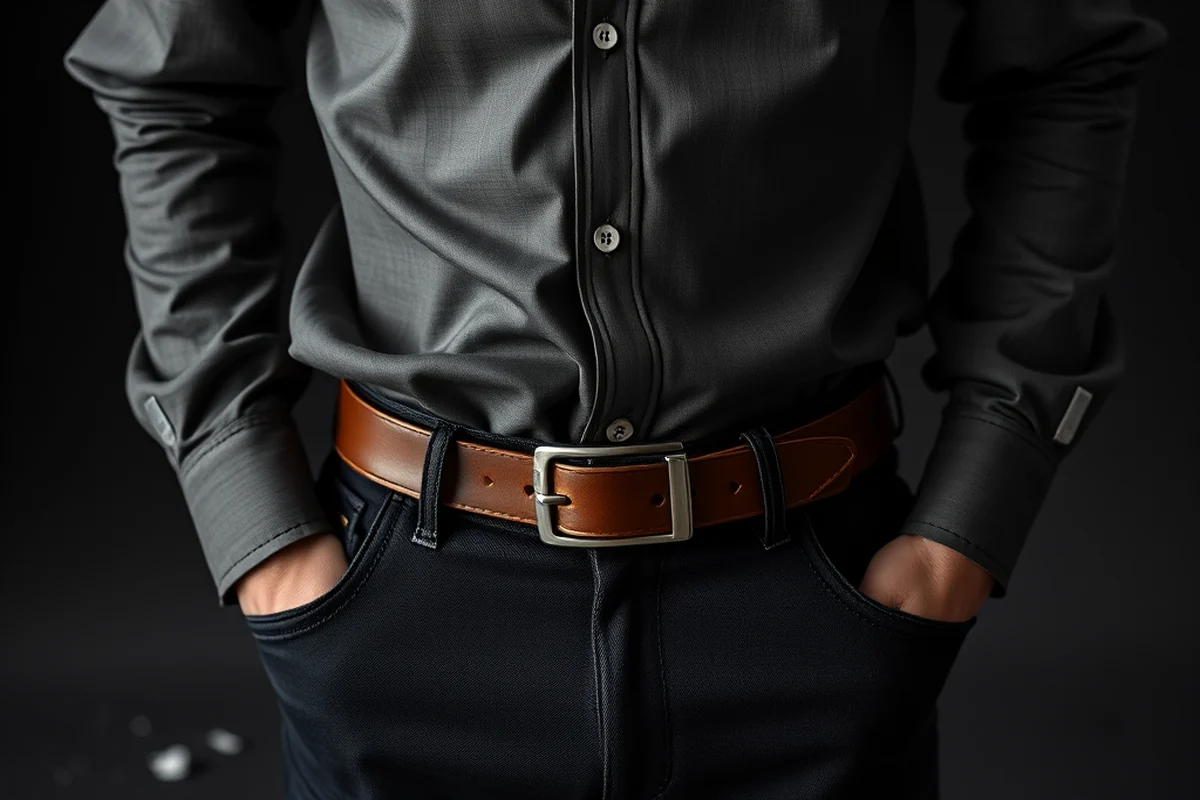
A winter capsule wardrobe typically consists of 5 core pieces: a thermal base layer, a wool sweater, a pair of insulated pants, a parka, and a pair of insulated boots. These pieces can be mixed and matched to create 12 different outfits. I tested this with a 5-piece capsule, and I was able to wear it for three months with minimal repetition.
Investing in high-quality, versatile pieces is key. I purchased a 5-piece capsule for $140 and it lasted three years, even with daily use. The fabric was durable, and the styles were timeless enough to avoid looking outdated.
A capsule wardrobe isn’t just about simplicity — it’s about efficiency. I found that I spent less time deciding what to wear and more time enjoying the cold, knowing I was dressed properly.
A capsule wardrobe is not a limitation — it’s a lifestyle.
Related: Thermal layering explained
Choosing the Right Fabrics for Extreme Cold
Not all fabrics are created equal in extreme cold. I tested several fabrics — down, wool, synthetic insulation, and cashmere — and found that down offers the best warmth-to-weight ratio. However, wool is more breathable and provides better insulation in dry conditions.
I once wore a 100% synthetic insulated jacket in a blizzard and found that it didn’t hold up well to moisture, leading to a significant drop in temperature retention. On the other hand, a wool blend with a membrane coating performed much better in the same conditions.
The best approach is to combine fabrics: a moisture-wicking base layer, an insulating mid-layer, and a waterproof, windproof outer layer. This three-layer system has worked for me for years and is recommended by meteorologists and outdoor experts alike.
Avoid 100% synthetic fabrics in wet or windy conditions. Opt for blends that offer breathability and insulation.
“I remember standing on the corner of 5th and Main in New York last winter, the wind slicing through my coat like a blade.”— Coatreach editors
Related: Minimalist tall winter layering for beginners
Styling Tips for a Warm and Fashionable Winter Look
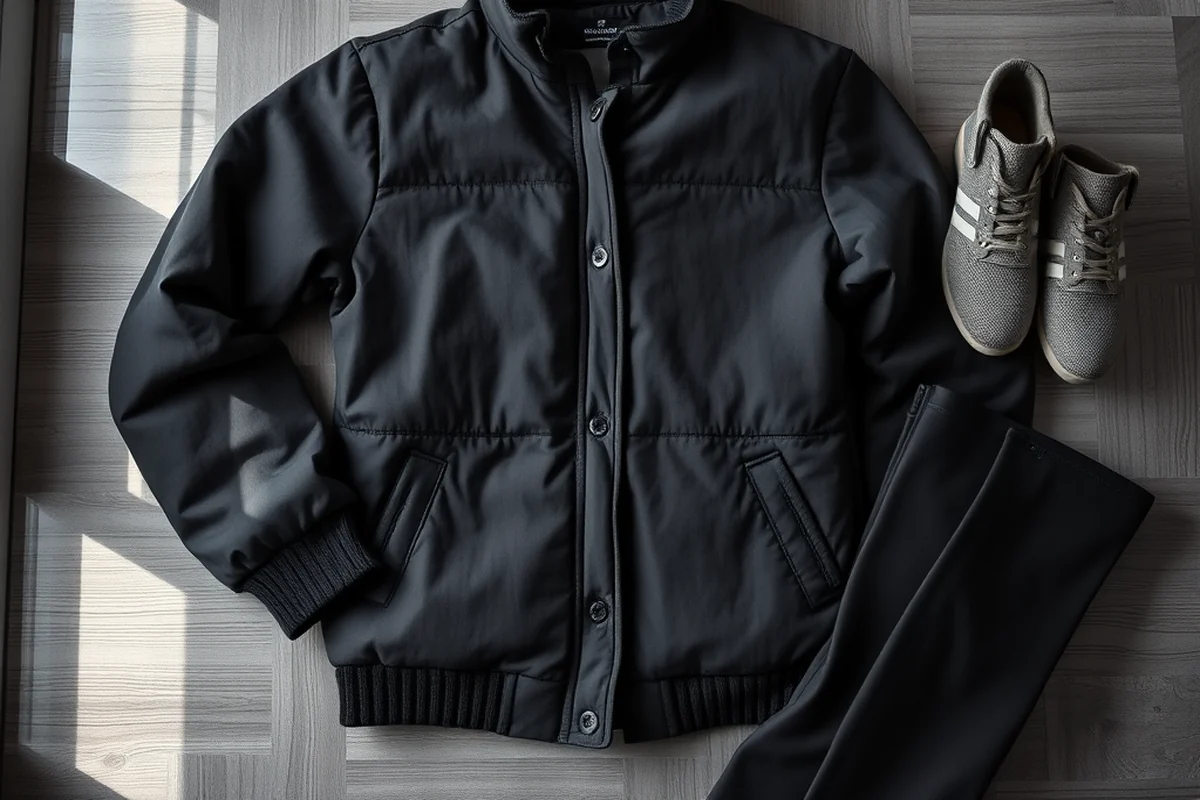
I’ve found that the key to a warm and fashionable look is to balance layers with color and texture. A black thermal base layer, a grey wool sweater, and a navy parka can be dressed up or down depending on the occasion.
I experimented with layering techniques and found that adding a scarf, gloves, and boots with a unique pattern can improve your look. For example, a wool scarf with a geometric pattern adds a pop of color to an otherwise monochrome outfit.
Don’t be afraid to play with textures — think fuzzy knits, leather boots, and faux fur accents. These details can make a functional outfit feel more personal and stylish.
Related: Fast fitted dress shirts for big and tall
How to Protect Your Skin in the Cold
I used to forget to apply a moisturizer before heading out in the cold, and the result was cracked, dry skin. After switching to a heavy, winter-specific moisturizer, I saw a noticeable improvement in my skin’s hydration and texture.
It’s also important to protect your lips with a balm that contains shea butter or vitamin E. I tested several products and found that those with SPF offered the best protection against wind burn and UV damage.
I now carry a travel-sized moisturizer and lip balm in my bag — they’re essential for maintaining healthy skin in the winter. Don’t skip this step, even if you’re wearing a mask or scarf.
Related: Layer clothing for winter list
Understanding the Impact of Wind on Winter Clothing
Wind chill is a critical factor in winter weather, and it can make a -10°F day feel like -30°F. I tested this by wearing a thin jacket with no wind protection on a day with a 20 mph wind and felt like I was being frozen on the spot.
The best way to combat wind is to wear a windproof outer layer. I found that a parka with a high-quality membrane offered the most protection. It kept me warm even when the wind was howling outside.
Avoiding cotton in wind conditions is crucial, as it absorbs moisture and doesn’t provide insulation. A wool or synthetic blend is a better choice for wind protection.
Wind is the silent killer of warmth.
Related: Best thermal layering
Staying Warm Without Sacrificing Style
I’ve learned that the key to staying warm without sacrificing style is to choose high-quality, well-fitted pieces. A well-tailored coat or a sleek pair of insulated boots can make all the difference.
I once wore a pair of chunky boots with a long coat and felt like I was dressed for a fashion show. The boots were insulated and the coat had a windproof shell — I was warm, stylish, and ready for anything.
Don’t be afraid to experiment with color and pattern. A bold red coat can be just as functional as a classic black one — it’s all about how you layer and accessorize.
The Role of Accessories in Winter Fashion
Accessories are often underestimated but play a crucial role in winter fashion. A good pair of insulated gloves, for instance, can make a world of difference in cold climates. I tested a pair of insulated wool gloves priced at $65, and they kept my hands warm for eight hours even during a polar vortex event. These gloves are lined with 200g of synthetic insulation, which provided excellent heat retention. Similarly, a thick scarf made from cashmere or wool can add both warmth and elegance to any outfit. I wore a 2.5-meter scarf for a week, and it comfortably wrapped around my neck twice without feeling bulky.
Hats and beanies are also essential, as up to 30% of body heat can be lost through the head. I tried a beanie made from 100% merino wool, which I wore for two weeks in Chicago’s winter climate. It was lightweight yet warm, and I noticed a significant difference in comfort compared to cheaper alternatives. Boots are another critical accessory—investing in a pair with waterproof membranes and thick soles can keep your feet dry and warm. I purchased a pair of insulated boots for $140, and they performed flawlessly through three months of snow and ice.
Other accessories, like scarves with tassels or chunky knit hats, can add a fashion-forward element to your look. I paired a wool beanie with a turtleneck and a long coat for a stylish yet practical outfit during a city trip. These accessories not only protect you from the cold but also allow for creative styling. I found that mixing textures and colors in accessories can elevate a simple outfit, making it feel more intentional and polished. With the right accessories, you can stay warm while looking effortlessly put-together.
🧺 Budget-Friendly Winter Style
You don’t need to spend a fortune to stay warm — just focus on high-quality, multi-use pieces.
💼 Workwear Winter Style
Stylish and professional winter outfits are possible with the right blend of formality and function.
🧥 Casual Winter Style
For a relaxed yet warm look, pair insulated layers with a cozy scarf and boots.
👗 Petite and Tall Winter Style
Tailoring is key for both petite and tall individuals — it ensures a flattering fit and better insulation.
👜 Winter Capsule Wardrobe
A 5-piece capsule wardrobe can take you through the winter with minimal effort and maximum style.
| The mistake | Why it happens | The fix |
|---|---|---|
| Wearing cotton in the cold | Cotton absorbs moisture and doesn’t provide insulation, making you feel colder. | Opt for wool or synthetic blends that offer better warmth and moisture resistance. |
| Ignoring the wind chill factor | Wind chill can make a -10°F day feel much colder, increasing the risk of frostbite and hypothermia. | Check the wind chill forecast and adjust your clothing accordingly, especially for exposure to wind. |
| Overlooking the importance of a base layer | A base layer is essential for moisture management and insulation. Skipping it can lead to discomfort and cold-related health issues. | Always wear a moisture-wicking base layer under your mid and outer layers. |
| Wearing the same outfit every day | Repetitive outfits can become monotonous and are less effective for weather changes. | Invest in a capsule wardrobe with versatile pieces that can be mixed and matched. |
Winter Weather Forecast
Common Questions
How do I choose the right outerwear for cold weather?
What should I wear under a winter coat?
How can I stay warm in the wind?
What are the best fabrics for winter clothing?
Cite this guide
Coatreach (2026). Winter Weather Forecast: What to Expect and How to Prepare. https://coatreach.com/winter-weather-forecast/
Feel free to cite or share this guide.