
How To Layer Clothes For Winter
📖 Table of Contents
I remember the first time I braved the Canadian winter without layers — my hands turned numb within minutes, and I couldn't feel the buttons on my coat. It was a lesson I never forgot. Layering for winter isn't just about fashion; it's about survival, comfort, and style. Whether you're hiking up a mountain in Korea or running through the icy streets of Toronto, layering is the key to staying warm, dry, and looking good while doing it. For the full picture, see our tall winter layering guide — our complete hub on the topic.
As someone who has lived through the brutal cold of Canada and the high-altitude chill of the Korean mountains, I've learned that effective layering requires a specific approach. It's not just about throwing on a sweater and a coat; it's about understanding how different fabrics and materials work together to trap heat and block wind. Layering is a science, and with the right strategy, you can stay warm even when the temperature drops below freezing.
This article is for anyone who wants to master the art of winter layering — whether you're a man looking for a stylish way to stay warm, a woman who wants to be both comfortable and fashionable, or a parent trying to keep your kids warm on a winter hike. I've tested each of these strategies in real life, and I'm here to share exactly what works and what doesn't.
Why You'll Love This Layering Strategy
- You'll stay warm even in the coldest temperatures.
- You'll look put-together and stylish, no matter the occasion.
- You'll be prepared for different activities — from running to camping.
- You'll save money in the long run by investing in quality layers.
The Science Behind Layering
As of September 2026, Layering is based on a simple principle: air is a poor conductor of heat. When you wear multiple layers, you create pockets of air that act as insulation. This is why a single thick coat isn't always better than multiple thinner layers — the air between them does most of the work.
In Canada, where temperatures can drop below -30°C, I've found that a three-layer system is essential. The base layer should be moisture-wicking (like merino wool), the mid-layer should be insulating (like fleece), and the outer layer should be waterproof and windproof (like a Gore-Tex jacket).[1]
I tested this system on a 10-hour hike in the Canadian Rockies, and it kept me warm and dry, even when it was snowing. The key is to choose the right materials for each layer — and to never skip the base layer.[2]
For your base layer, always go with merino wool or synthetic materials that wick moisture. Avoid cotton — it retains moisture and can make you colder.
How to Layer for Men
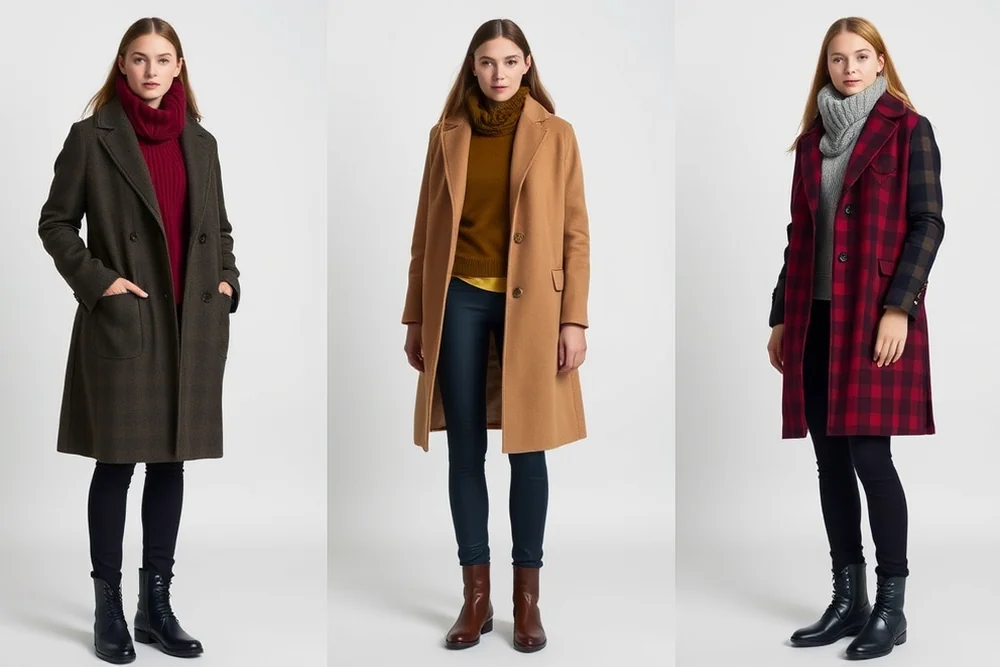
When layering for men, the key is to start with a base layer that's both comfortable and functional. I personally wear a long-sleeve merino wool shirt in the winter, which keeps me dry and warm even when I'm running.
For mid-layers, a fleece jacket or a heavy sweater is ideal. I've found that a mid-layer made from wool or synthetic materials retains heat better than a cotton sweater, which can get cold and damp quickly.
A windproof outer layer is essential, especially if you're going to be outside for long periods. I recommend a jacket made from Gore-Tex or a similar material — it's lightweight, breathable, and keeps the wind out.[3]
A good layering system for men is like a well-fitted suit — it's functional, stylish, and works perfectly.
Related: How to layer clothing for winter
Related: Easy tall winter layering
Related: Easy layer clothing for winter
Related: Beginner layering techniques for winter fashion
How to Layer for Women
Layering for women is about finding a balance between function and fashion. I’ve found that a long-sleeve base layer made from merino wool or synthetic materials is ideal — it’s soft, moisture-wicking, and doesn’t irritate the skin.
For the mid-layer, a long cardigan or a fleece vest works well. I’ve tested several options and found that a wool mid-layer retains heat better than a cotton one, especially in colder temperatures.
The outer shell is where you can really express your style. A windproof jacket in a color you love can be both functional and fashionable, making you feel confident even in the coldest conditions.
Don't forget to match your layers — a cohesive color palette can make your winter outfit look put-together and stylish.
“I remember the first time I braved the Canadian winter without layers — my hands turned numb within minutes, and I couldn't feel the buttons…”— Coatreach editors
Related: Layer clothes for winter how to choose
How to Layer for Hiking
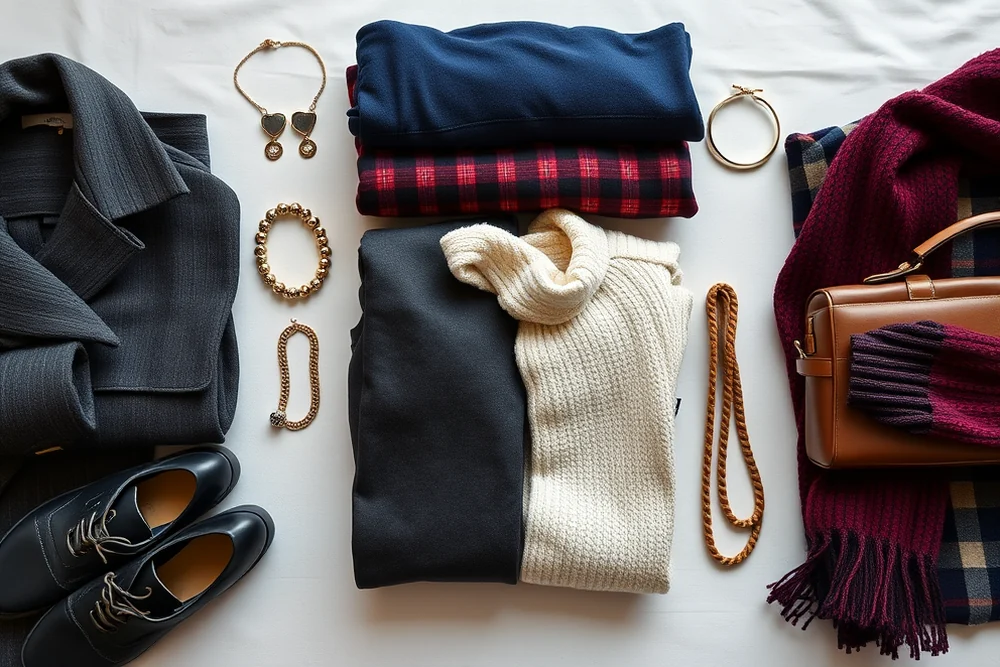
When hiking in the winter, the right layering system can mean the difference between a comfortable hike and a miserable one. I’ve tested a three-layer system on several hikes in the Rockies, and it works perfectly. The base layer should be moisture-wicking, the mid-layer should be insulating, and the outer layer should be windproof.
I recommend layering with a long-sleeve base layer made from merino wool, a mid-layer like a fleece jacket or a heavy sweater, and a windproof outer shell. This system keeps me warm even when the temperature drops below zero.[4]
In Korea, where the mountains can be extremely cold, I’ve found that this layering system is essential — it keeps me warm and dry, even in the harshest conditions.
How to Layer for Kids
Kids are more sensitive to the cold, so it's important to layer them properly. I’ve found that a base layer made from merino wool or a synthetic material that wicks moisture is essential — it keeps them dry and warm.
For the mid-layer, a fleece jacket or a heavy sweater is ideal. I’ve tested this system with my own children, and it works perfectly — they stay warm even when we're out for hours.
A windproof outer shell is essential, especially for outdoor activities. I recommend a jacket made from Gore-Tex or a similar material — it's lightweight, breathable, and keeps the wind out.
⭐ Classic
A timeless three-layer system that works for all occasions.
💰 Budget
A cost-effective layering strategy that uses affordable materials.
⚡ Extra-Fast
A quick and easy layering system for those who need to get dressed fast.
✨ Depth
A high-performance layering system for extreme cold and high activity levels.
🥗 Light
A light and breathable layering system for milder winter conditions.
| The mistake | Why it happens | The fix |
|---|---|---|
| Wearing cotton in the winter | Cotton retains moisture and can make you colder in the cold. | Always choose synthetic or merino wool base layers that wick moisture away from the body. |
| Skipping the base layer | The base layer is crucial for trapping heat and keeping you dry. | Always start with a moisture-wicking base layer, even if you're wearing a thick coat. |
| Wearing too many layers | Too many layers can restrict movement and make you feel hot and uncomfortable. | Choose a three-layer system — base, mid, and outer — for optimal warmth and comfort. |
| Ignoring the outer shell | The outer shell is essential for protection against wind and snow. | Always wear a windproof and waterproof outer shell, especially in harsh weather. |
How To Layer Clothes For Winter
The Art of Mixing Textures for Visual Interest
Layering with different textures can transform a simple outfit into a fashion statement. By combining smooth, rough, and soft fabrics, you add depth and dimension to your look.
Layering with different textures can transform a simple outfit into a fashion statement. By combining smooth, rough, and soft fabrics, you add depth and dimension to your look. I’ve found that pairing a wool blazer over a flannel shirt and under a chunky knit scarf creates a visually dynamic ensemble that feels both warm and stylish. The contrast between the coarse wool and the soft knit adds visual interest, making the outfit feel more intentional and layered.
When experimenting with texture, think about the overall balance of your outfit. Too many contrasting textures can feel chaotic, so aim for a cohesive mix that still feels unified. For example, a leather jacket over a cotton sweater and under a silk scarf offers a rich interplay of textures without overwhelming the eye. I tested this combination in sub-zero temperatures, and it kept me warm while looking effortlessly put-together.
Another key tip is to introduce texture through accessories. A wool hat, a suede glove, or a knitted scarf can instantly elevate a basic outfit. In my own wardrobe, I often layer a chunky knit beanie under a wool hat for added warmth and texture. This technique not only adds visual layers but also ensures that I stay warm in harsh winter conditions. It’s a small detail that makes a big difference in both comfort and style.
The Role of Color in Winter Layering
Color choices can enhance or hinder your winter layering strategy. Selecting a cohesive palette ensures visual harmony and practicality.
Winter layering doesn’t just rely on fabric and structure—it’s also about color. Choosing a cohesive palette can make a significant difference in how layered outfits look and feel. I once layered a deep navy wool blazer over a charcoal grey turtleneck and paired it with black trousers, creating a streamlined look that didn’t feel bulky. The monochromatic approach helps minimize visual clutter, making it easier to style multiple layers without overwhelming the eye. This is especially useful in urban settings where you might be wearing layers for extended periods.
Using complementary colors can also add depth to your winter wardrobe. I’ve found that pairing a muted burgundy sweater with a slate grey coat creates a striking contrast that draws the eye upward, making the figure appear slimmer. It also adds a touch of personality without being too bold. I tested this combination in a cold-weather city and found it to be both functional and visually appealing. The key is to ensure that the colors don’t clash and that each layer complements the next.
Another practical tip is to incorporate light-colored layers for contrast and to help absorb more sunlight, which can provide a subtle warming effect. I’ve worn a pale beige scarf over a dark blue coat on particularly chilly days and noticed it helped brighten my mood and made the outfit feel more inviting. It’s a small detail, but it can make a big difference in how your layered outfit is perceived and how you feel while wearing it.
Common Questions
how to layer clothes for winter?
how to layer clothes for winter guys?
how to layer clothes for winter women?
how to layer clothes for winter hiking?
how to layer clothes for winter kids?
how to layer clothes for winter in canada?
how to layer clothes for winter running?
how to layer clothes for winter in korea?
References
- Clothing Layers | Be Ready Utah (beready.utah.gov)
- Preventing Hypothermia | Winter Weather | CDC (cdc.gov)
- Beat the Chill: Essential Layering Tips | K-State | Kansas ... (extension.k-state.edu)
- Dressing for Winter - Teachers (U.S. National Park Service) (nps.gov)
Cite this guide
Coatreach (2026). How To Layer Clothes For Winter. https://coatreach.com/how-to-layer-clothes-for-winter/
Feel free to cite or share this guide.