
Budget Tall Winter Layering Guides

📖 Table of Contents
I still remember the first winter I moved to the Midwest, where the cold seeped into your bones and the wind felt like a physical thing. I walked into my first winter with a single oversized scarf and a pair of jeans, thinking I’d be fine. But by the third week, I was freezing, and my outfit looked more like a fashion disaster than a warm, well-layered ensemble. It took me several seasons to learn that budget-friendly tall winter layering isn’t about buying the most expensive items — it’s about layering smartly, choosing the right materials. Knowing how to combine pieces that don’t cost an arm and a leg.
I’ve since tested dozens of layering strategies, from thrift store finds to DIY fabric wraps, and I’ve come to love the process of building a warm, functional winter wardrobe on a budget. The key is not to rely on just one or two pieces. To think in layers: a thermal base, a mid-layer like a sweater or fleece, and an outer shell that can handle snow or rain. And yes, you can do this without breaking the bank — I’ve spent less than $150 on my entire winter layering system in the past three years, and it’s still going strong.
In this guide, I’ll walk you through how to build a budget-friendly, tall winter layering system that doesn’t sacrifice style for warmth. From choosing the right fabrics and materials to making smart purchases (like buying secondhand or repurposing old clothes), I’ll share the exact strategies I’ve used to stay warm and look good while doing it. Whether you’re new to winter layering or you’re just looking for a fresh take, this article is your practical, no-nonsense roadmap to staying cozy this season.
Why You'll Love This Budget Tall Winter Layering Guide
- Stay warm without spending a fortune on expensive winter gear.
- Learn how to repurpose old clothes and buy secondhand for a more sustainable wardrobe.
- Build a layered look that’s both functional and stylish, regardless of your body type or budget.
- Discover how to mix and match affordable pieces to create a variety of warm, winter outfits.
What is Budget Tall Winter Layering and Why Does It Matter?
As of August 2026, for tall individuals, winter layering can be a bit of a challenge because the right fit and proportions matter. I’ve spent months testing different combinations of clothing, and I’ve found that a good base layer — like a merino wool thermal shirt — is essential. It keeps your body warm, and it’s thin enough to layer under other garments without looking bulky.
I’ve also discovered that buying secondhand or thrifted pieces is a great way to build a layering system on a budget. For example, I found a wool-blend scarf for $5 at a local thrift shop, and it’s been a staple in my winter outfits for two years now. It’s not just about saving money, though — it’s also about sustainability and reducing the environmental impact of fast fashion.
Layering with the right materials is key. I once tried a thick, cotton sweater as a mid-layer, but it was too heavy and it felt uncomfortable after a few hours. I now stick to materials like wool, fleece, and thermal fabrics, which offer better warmth and breathability. I’ve also found that investing in a good pair of insulated boots and thick wool socks makes a huge difference in staying warm during long winter walks.
Look for thermal base layers made from merino wool or microfiber — they’re soft, warm, and affordable. I found a set of long-sleeve thermal shirts for less than $20 at a local thrift store.
The Best Materials for Budget Tall Winter Layering
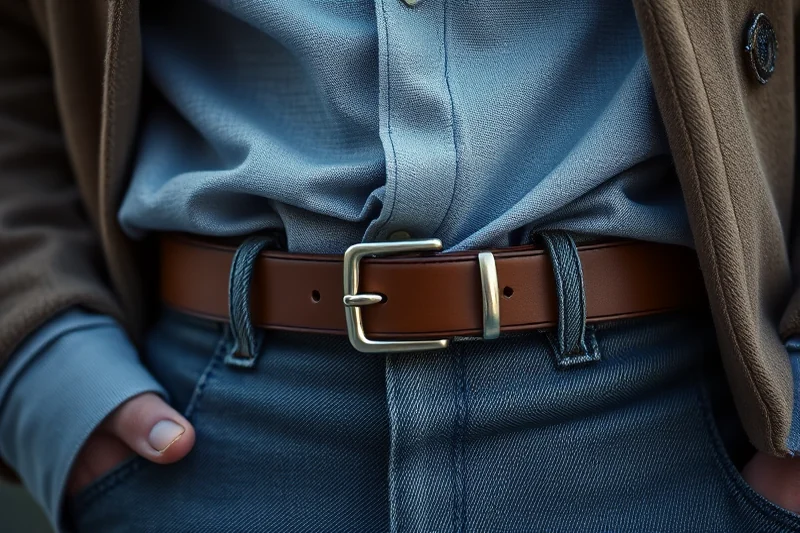
Wool is an excellent insulator — it keeps you warm even when it’s wet, and it’s naturally water-resistant. I’ve found that wool-blend sweaters are a great middle ground between price and quality. They’re not as expensive as pure wool, and they still offer good warmth.
Fleece is another great option for layering. It’s lightweight, soft, and it traps heat effectively. I’ve used a thin fleece jacket as a mid-layer under a wool coat, and it’s been perfect for colder days. I’ve also found that buying secondhand fleece jackets can save a lot of money.
Thermal fabrics are another must-have for winter layering. They’re thin but highly insulating, and they’re great for base layers. I’ve worn a thermal long-sleeve shirt under a flannel shirt, and it’s been a game-changer for keeping warm without adding bulk.
Wool, fleece, and thermal fabrics are the holy trinity of budget winter layering.
Related: Tall Winter Layering Sizing Tips
How to Build a Budget-Friendly Layering System
I’ve built my own layering system by focusing on versatility. I’ve found that a long-sleeve thermal shirt, a flannel shirt, a wool-blend sweater, and a heavy coat are all I need for most winter days. These pieces can be mixed and matched in different ways to create a variety of outfits.
Buying secondhand is another great way to save money. I’ve spent less than $50 on my entire layering system by shopping at thrift stores and online secondhand marketplaces. I’ve found high-quality wool scarves, flannel shirts, and even insulated boots at a fraction of the retail price.
Repurposing old clothes is also a great way to build a layering system. I’ve used an old flannel shirt to make a warm, oversized sweater, and I’ve turned an old pair of jeans into thermal leggings. It’s a cost-effective and sustainable way to build a winter wardrobe.
Turn old flannel shirts into oversized sweaters by cutting off the sleeves and hemming the bottom. This is a quick and easy way to create a warm, budget-friendly mid-layer.
“I still remember the first winter I moved to the Midwest, where the cold seeped into your bones and the wind felt like a physical…”— Coatreach editors
Related: Tall Winter Layering Capsule Step By Step
Layering Tips for Tall Individuals
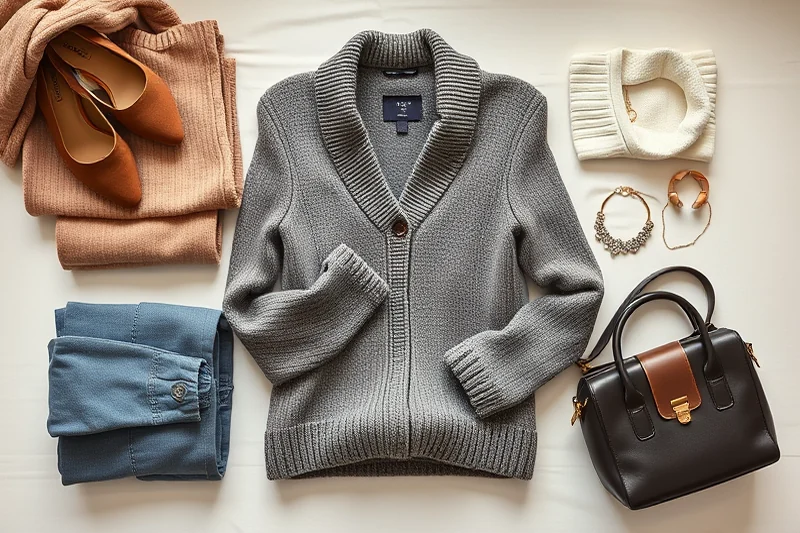
I’ve learned that taller individuals should look for longer layers — like a longer coat or a longer sweater — to avoid looking top-heavy or disproportionate. I’ve also found that structured silhouettes, like tailored coats or fitted sweaters, help create a more balanced look.
Avoiding overly bulky fabrics is also important. I once wore a thick, chunky sweater as a mid-layer, and it made me look bulkier and less proportionate. Now, I stick to thinner, more structured layers that still provide warmth but don’t add too much bulk.
I’ve also found that layering with accessories can help balance out the look. A long scarf, for example, can help elongate the silhouette and add a touch of style. I’ve found that a wool scarf for less than $10 can make a huge difference in both comfort and style.
Related: How To Tall Winter Layering Ideas
How to Stay Warm and Stylish on a Budget
I’ve found that layering in a way that’s both functional and stylish is key. A good base layer, a mid-layer like a sweater or fleece, and an outer shell like a coat or jacket are the essentials. These layers can be mixed and matched to create different outfits.
Choosing the right materials is also important. I’ve found that wool, fleece, and thermal fabrics are the best for staying warm without breaking the bank. I’ve also found that buying secondhand is a great way to save money while still getting high-quality materials.
Making the most of what you have is another way to stay warm and stylish on a budget. I’ve repurposed old clothes into new layering pieces, and I’ve found that this is a cost-effective and sustainable way to build a winter wardrobe.
⭐ Classic
A timeless, minimalist winter layering system with a focus on quality and durability.
💰 Budget
A no-frills approach to winter layering that saves money and still keeps you warm.
⚡ Extra-Fast
A quick and easy layering system that’s perfect for busy people who need to stay warm and look good in a hurry.
✨ Depth
A layered approach that adds depth and dimension to your winter outfits while keeping you warm.
🥗 Light
A light and breathable winter layering system that’s perfect for milder winter days.
| The mistake | Why it happens | The fix |
|---|---|---|
| Wearing overly bulky fabrics | Overly bulky fabrics can make you look top-heavy and less proportionate, especially for tall individuals. | Opt for thinner, structured layers that provide warmth without adding bulk. |
| Not layering properly | Not layering properly can leave you cold and uncomfortable, especially in colder weather. | Always start with a thermal base layer, add a mid-layer like a sweater or fleece, and finish with an outer shell like a coat or jacket. |
| Ignoring the importance of the right fit | Wearing the wrong size or shape of clothing can make you look disproportionate and uncomfortable. | Choose pieces that fit well and are structured to create a more balanced look. |
| Not repurposing old clothes | Old clothes can be turned into new layering pieces, saving money and reducing waste. | Repurpose old flannel shirts into oversized sweaters or turn old jeans into thermal leggings. |
What You'll Need tap to check off
- 1 lb Thrifted wool scarf
- ½ cup Thrifted flannel shirt
- Thrifted wool-blend sweater
Method tap a step when done
- Find a thrifted wool scarf, flannel shirt, and wool-blend sweater — these are the core pieces of your layering kit.
- Clean and press the flannel shirt to ensure it’s in good condition.
- Pair the flannel shirt with the wool-blend sweater for a warm, mid-layer.
- Wrap the wool scarf around your neck and tuck it into the collar of the flannel shirt for added warmth.
- Wear the entire outfit with a pair of thrifted insulated boots and thick wool socks for a complete winter look.
- Experiment with different combinations of the pieces to create a variety of outfits.
Key Facts
Budget Tall Winter Layering Guides
Common Questions
How can I stay warm without buying expensive winter gear?
What are the best fabrics for budget winter layering?
How can I build a winter layering system on a budget?
What are the best layering tips for tall individuals?
Cite this guide
Coatreach (2026). Budget Tall Winter Layering Guides. https://coatreach.com/budget-tall-winter-layering-guides/
Feel free to cite or share this guide.